

custom wall mirrors for bathroom
Understanding the Standard Dial Bore Gauge An Essential Tool for Precision Measurement In the realm of manufacturing and engineering, precision is paramount. One of the key instruments that facilitate accurate measurements within cylindrical objects — such as holes and bores — is the standard dial bore gauge. This article delves into the features, applications, and advantages of using a dial bore gauge in various industries. What is a Dial Bore Gauge? A dial bore gauge is a specialized measuring instrument used to assess the internal diameter of a cylindrical workpiece. Unlike traditional calipers, which measure external dimensions, dial bore gauges are designed to fit into the bore of the part to deliver precise readings. This instrument typically consists of a dial indicator mounted on a shaft, equipped with internal measuring arms that can expand and contract to measure different diameters. Structure and Components The basic structure of a standard dial bore gauge includes the following components 1. Dial Indicator The dial is the most crucial part, displaying measurement readings in either metric or imperial units. The needle on the dial moves in response to changes in bore diameter. 2. Measuring Arms These are the extendable parts of the gauge that contact the inner wall of the bore. They can be adjusted to achieve a secure fit, allowing the gauge to be reliable even in varied conditions. 3. Calibration Rod Frequently found in higher-end models, calibration rods ensure the bore gauge is set to proper standards before measurements are taken. 4. Handle and Gauge Body These provide maneuverability and stability while measuring, ensuring consistent results. How to Use a Dial Bore Gauge Using a dial bore gauge accurately requires a systematic approach 1. Preparation Ensure the gauge is calibrated and clean. Any debris in the bore can lead to inaccurate measurements. 2. Insertion Carefully insert the gauge into the bore until the measuring arms gently touch the inner surface. 3. Adjustment Adjust the measuring arms to ensure they are snug against the wall of the bore. This is crucial for obtaining an accurate reading. standard dial bore gauge 4. Reading Measurement Observe the dial indicator to read the measurement, which reflects the diameter at that specific point in the bore. For enhanced accuracy, measurements can be taken at various points along the bore. 5. Documentation Record the measurements for quality control and further analysis . Applications of Dial Bore Gauges Dial bore gauges are invaluable across several industries, including - Automotive In manufacturing engine blocks and other components, ensuring that bores meet precise specifications is critical for performance and safety. - Aerospace Components in aircraft must adhere to strict quality standards, making the dial bore gauge an essential tool for quality assurance. - Manufacturing Many other types of machinery and equipment require precise internal measurements to maintain functionality and ensure the interchangeability of parts. Advantages of Using Dial Bore Gauges The dial bore gauge offers several advantages that make it a favored choice among engineers and machinists 1. Precision The design allows for high accuracy in measurements, which is crucial for quality assurance in engineering projects. 2. Ease of Use While calibration and setup are required, the actual usage of a dial bore gauge can be relatively straightforward for trained personnel. 3. Portability Most dial bore gauges are compact and easy to transport, facilitating measurements on-site or in diverse work environments. 4. Durability Typically made from robust materials, these gauges can withstand the rigors of a machine shop without losing their accuracy over time. 5. Versatility Suitable for various applications and industries, the dial bore gauge can adapt to different sizes and types of bores. Conclusion In conclusion, the standard dial bore gauge is an indispensable tool in the world of precision measurement. With its ease of use, accuracy, and versatility, it empowers engineers and machinists to maintain the high standards required in modern manufacturing. As technologies advance and the demand for precision increases, the dial bore gauge will undoubtedly continue to play a critical role in the industry, ensuring that every bore meets the stringent specifications necessary for today’s complex machines.
about
custom wall mirrors for bathroom
The Essential Role of Gate Valve Manufacturers in Industrial Applications Gate valves are a crucial component in various industrial settings, playing a vital role in the regulation and control of fluid flow. As the demand for efficient and reliable fluid control systems continues to rise, gate valve manufacturers are at the forefront of innovation and quality assurance in this essential industry. This article explores the significance of gate valve manufacturers, the challenges they face, and the future of gate valve technology. Understanding Gate Valves Gate valves are designed to provide unobstructed flow with minimal pressure drop. They are primarily used in applications where a straight-line flow of fluid is desired. Typically, gate valves are either rising stem or non-rising stem types, depending on the design of the stem that facilitates opening and closing the valve. Their primary advantage is the ability to completely seal the flow, making them ideal for on/off applications in various systems—including water supply, oil and gas, and chemical processing. The Role of Gate Valve Manufacturers Gate valve manufacturers are responsible for producing these essential devices to meet the specific needs of diverse industries. The manufacturing process involves sourcing high-quality materials—such as stainless steel, brass, bronze, and PVC—to ensure durability and performance under varying pressures and temperatures. Manufacturers not only focus on production but also engage in extensive research and development to innovate and improve gate valve designs. One of the primary responsibilities of gate valve manufacturers is to adhere to stringent industry standards and regulations. Adherence to standards such as API (American Petroleum Institute) and ASME (American Society of Mechanical Engineers) is crucial to ensure safety and reliability . This process includes rigorous testing, including pressure testing, endurance testing, and leakage testing. By ensuring that their products meet compliance requirements, manufacturers instill confidence in their customers regarding the reliability of their valves. Challenges Faced by Gate Valve Manufacturers gate valve manufacturers Despite the importance of their products, gate valve manufacturers encounter several challenges in the industry. One significant challenge is the increasing demand for custom solutions tailored to unique operational requirements. This customization often complicates manufacturing processes and may lead to longer lead times. Furthermore, the industry faces challenges related to material sourcing and supply chain disruptions. The availability of raw materials—especially in a volatile market—can impact production schedules and costs. Manufacturers must navigate these external challenges while maintaining quality and performance standards. The Future of Gate Valve Technology Innovation is key to the future of gate valve manufacturing. With advancements in materials science, manufacturers are exploring new composites and alloys that offer better strength and corrosion resistance. Additionally, the integration of smart technologies—such as IoT sensors—into gate valve designs is revolutionizing the industry. Smart gate valves can provide real-time data on flow rates, pressure, and valve status, allowing for improved monitoring and maintenance. Sustainability is another crucial factor shaping the future of gate valve manufacturing. As industries push towards greener operations, manufacturers are focusing on eco-friendly processes and materials. This includes reducing waste during production and enhancing the energy efficiency of their products. Conclusion Gate valve manufacturers play a vital role in ensuring the smooth operation of various industries by producing reliable and efficient fluid control solutions. While they face several challenges, their commitment to innovation and quality enables them to adapt and thrive in a changing market. As technology advances and the demand for customized, sustainable solutions grows, gate valve manufacturers will undoubtedly continue to evolve, delivering products that meet the needs of a dynamic industrial landscape.
-

High quality industrial productsagement

High quality industrial products
View Details -

Meet the diverse needs of customers

Meet the diverse needs of customers
View Details -

Strict quality control

Strict quality control
View Details -

Top raw materials

Top raw materials
View Details -

Trusted supplier

Trusted supplier
View Details
Our application

news and information
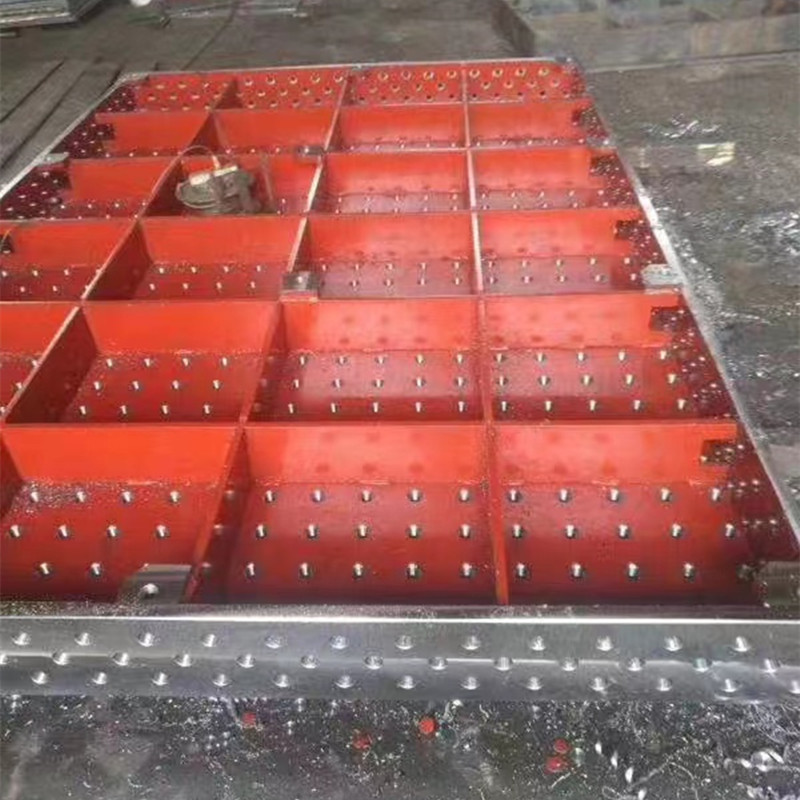
Wooden Villa House Truss Repair Using Nail Plates for Enhanced Structural Integrity
Understanding Truss Mending Nail Plates for Wooden Villas In the construction of wooden villas, stru
Versatile and Precision Adjustable Thread Gauge for Accurate Measurement of Screw Threads
Understanding Adjustable Thread Gauges A Comprehensive Overview Adjustable thread gauges are essenti
vratový ventil z oceli
Ocelové klapky Klíčový prvek v průmyslových aplikacích Ocelové klapky, známé také jako klapkové vent
 English